How to Choose Scrubs That Last: A Durability Checklist for Healthcare Facilities
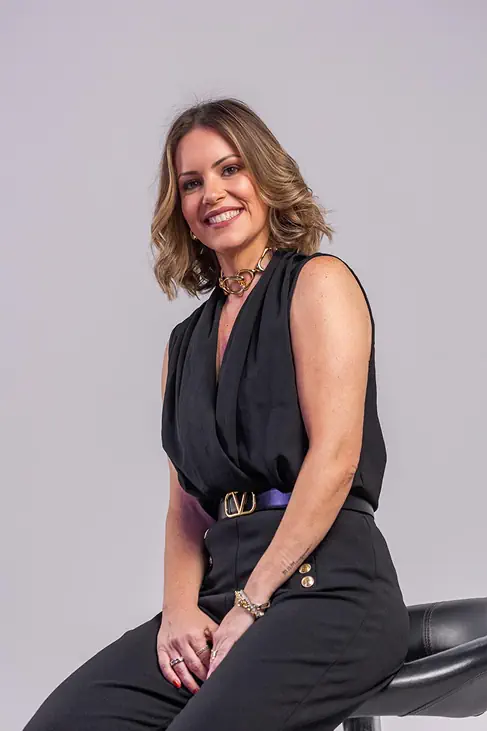
Camila de Palma
Founder, WonderCoats
If you're managing scrubs for a healthcare facility, you've probably watched a promising new set of uniforms fall apart in six months. Fading colors, popped seams, sagging pockets, and worn-through knees — it's frustrating, expensive, and disrupts your uniform program.
The truth is, not all scrubs are built to survive the unique demands of healthcare work. Industrial laundering, constant movement, heavy pocket loads, and long wear cycles separate genuinely durable medical scrubs from garments that just look good on day one. This checklist gives you the specific criteria to evaluate scrub durability before you buy — so your next investment actually lasts.
Reinforced Stitching: Where Construction Matters Most
Stitching is the skeleton of any garment. In scrubs, it's where durability lives or dies.
Types of Stitching to Look For - **Double-needle stitching**: Two parallel rows of stitching at seams for added strength. Found at side seams, inseams, and shoulder seams in quality scrubs. - **Chain stitching**: A flexible loop stitch that allows seams to stretch without popping. Ideal for areas that experience stress during movement. - **Overlock / serged seams**: Finished edges that prevent fraying and unraveling. Any scrub fabric left raw at the seam edge will deteriorate quickly in industrial laundry.
Stress Points That Need Reinforcement The highest-stress areas in scrubs are the inseams, crotch seams, pocket attachments, waistband, and armholes. Run your finger along these seams when evaluating samples. You should feel dense, even stitching without loose threads or gaps. If a sample already has loose stitching before it's been worn, it's only going to get worse.
Bar-Tacked Pockets: Preventing the Most Common Failure
Pockets tearing away from scrub tops and pants is one of the most common failure points in healthcare apparel. It happens because pockets get loaded with phones, instruments, tape, scissors, and everything else a shift demands.
What Is Bar Tacking? Bar tacking is a dense zigzag stitch pattern applied at stress points — specifically where pockets attach to the garment body. It looks like a small rectangular patch of stitching and dramatically reinforces the pocket attachment. Without bar tacking, pocket seams bear the full load and eventually rip away.
What to Check Look for bar tacking at all four corners of every pocket. Chest pockets, cargo pockets, and back pockets should all have this reinforcement. A scrub with three pockets and no bar tacking will need repair or replacement far sooner than one with proper reinforcement throughout.
Colorfastness: Keeping Colors Professional Wash After Wash
Nothing says "worn out" like scrubs that have faded from deep navy to a washed-out gray-blue. Colorfastness measures how well a fabric retains its dye through washing, exposure to light, and wear.
Factors That Affect Colorfastness - **Fiber type**: Polyester holds dye better than cotton. Higher polyester content generally means better color retention. - **Dye quality**: Premium reactive dyes bond more permanently to fibers than basic dyes. - **Dyeing process**: Solution-dyed fibers (where color is added before the fiber is extruded) have the best colorfastness because the color is part of the fiber itself, not sitting on the surface.
Industrial Laundry Reality Healthcare facilities typically use commercial laundering with hot water, strong detergents, and high-heat drying. These conditions accelerate fading in low-quality fabrics. When evaluating **durable medical scrubs**, ask your supplier for colorfastness data — specifically wash-fastness ratings under industrial laundry conditions. A rating of 4 or higher on a 1-5 scale indicates acceptable performance.
Industrial Wash Tolerance: Built for Healthcare Laundering
Home washing and industrial laundering are completely different animals. Industrial machines use higher temperatures, stronger chemicals, more aggressive mechanical action, and longer cycles.
What Industrial Laundry Does to Fabric Over time, industrial washing breaks down fibers, weakens seams, causes pilling, and degrades elastic components. A fabric that lasts three years with home washing might last one year in an industrial setting.
Signs of Industrial-Wash-Ready Construction Quality scrubs designed for healthcare will specify industrial wash tolerance. Indicators include: - Pre-shrunk fabric - Heat-resistant elastic and drawstring components - Industrial-grade thread (polyester core-spun, not cotton thread) - Reinforced seams rated for high-stress washing
Always confirm with your supplier that the scrubs you're considering are rated for the laundry protocol your facility uses.
GSM: Understanding Fabric Weight
GSM stands for grams per square meter and measures fabric weight. It's one of the simplest indicators of scrub durability.
GSM Ranges and What They Mean - **Under 140 GSM**: Lightweight, breathable, but less durable. Best for warm climates and low-stress environments. - **140-170 GSM**: Medium weight. The sweet spot for most healthcare settings — breathable enough for comfort, substantial enough to last. - **170-200 GSM**: Heavyweight. Maximum durability but warmer and less breathable. Ideal for surgery, lab work, or cooler environments. - **Over 200 GSM**: Very heavyweight. Durable but can feel stiff and hot. Best for specialized applications rather than general clinical wear.
For most healthcare facilities, a GSM between 150 and 170 offers the best balance of durability and comfort.
Seam Construction: The Hidden Durability Factor
Not all seams are equal. The way fabric pieces are joined affects both strength and comfort.
Types of Seams in Quality Scrubs - **Flat-felled seams**: The strongest and cleanest seam type, where raw edges are enclosed within the seam itself. Found in premium workwear and the best scrub brands. - **French seams**: Fully enclosed seams with no raw edges visible. Strong and smooth against the skin. - **Overlocked seams**: The minimum acceptable standard — edges are finished to prevent fraying.
Seams should lie flat without bulk. Bulky, raised seams create pressure points during long shifts and are more likely to irritate skin or catch on equipment.
Replacement Timelines: Planning for the Inevitable
Even the most durable medical scrubs won't last forever. Establishing a realistic replacement timeline helps you budget accurately and maintain a professional appearance across your team.
Expected Lifespan by Use Level - **Heavy use** (industrial laundry, 5+ shifts/week): 12-18 months - **Moderate use** (home or commercial laundry, 3-4 shifts/week): 18-24 months - **Light use** (home laundry, 1-2 shifts/week): 24-36 months
When to Replace Set clear criteria for replacement: visible wear, fading, seam failure, permanent stains, or reaching the maximum wear count. Having a policy prevents the gradual decline that happens when "still wearable" becomes the standard.
The Complete Durability Checklist
Use this checklist when evaluating any scrub brand for your facility:
- [ ] Double-needle or reinforced stitching at all major seams
- [ ] Bar-tacked pocket attachments
- [ ] Overlock or flat-felled seam construction
- [ ] Colorfastness rating of 4+ for industrial laundry
- [ ] GSM of 150+ for adequate fabric weight
- [ ] Industrial wash tolerance specified by manufacturer
- [ ] Polyester-core thread (not cotton thread)
- [ ] Pre-shrunk fabric
- [ ] Heat-resistant elastic and drawstring components
- [ ] Specified replacement timeline aligned with your budget cycle
Build a Uniform Program That Lasts with Wondercoats
Wondercoats builds for the wash cycle, which is where scrubs actually die. The Emma set is made not to pill after fifty washes, and the Alicia holds its colour through more than a hundred industrial laundry cycles. Start with our complete guide to choosing scrubs if you are still working out what to look for. There is no sample kit — buy one set, wash it ten times, and hold it against the checklist above.
Ready to Upgrade Your Professional Image?
Shop premium lab coats and scrubs designed for 12+ hour shifts. Made in the USA.
Written by
Camila de Palma
Founder of WonderCoats, international speaker, mentor at MoveClub. Driven by the challenges of making highly comfortable work wear that looks good and dresses like design clothes.